


October 8 – 9
Vancouver, BC
Sheraton Vancouver Wall Centre
When it comes to effective cybersecurity, it truly takes a village.
Hosted by CANARIE, the goal of the Canadian SecuR&E Forum is to build community and foster learning and knowledge-sharing by connecting contributors to cybersecurity across Canada’s research and education (R&E) sector.
In R&E, cybersecurity is more than a technical challenge — it’s a shared responsibility that spans IT, risk management, compliance, and beyond. Through plenary sessions and technical and executive breakouts, the SecuR&E Forum brings together the full spectrum of professionals advancing cybersecurity at Canada’s universities, colleges, polytechnics, and cégeps.
Connect, collaborate, and lead alongside colleagues who are strengthening the R&E sector’s collective cyber resilience.
What to expect

2 days

2 tracks

120+ attendees

15+ speakers

∞ networking opportunities

Who should attend
Cybersecurity practitioners
Executives with cybersecurity-related responsibilities
(e.g., CISOs, CIOs, Directors of Information Security, and similar roles)
Risk, compliance, and insurance specialists overseeing cybersecurity
Cybersecurity researchers
Those contributing to cybersecurity strategies in the research or post-secondary sector




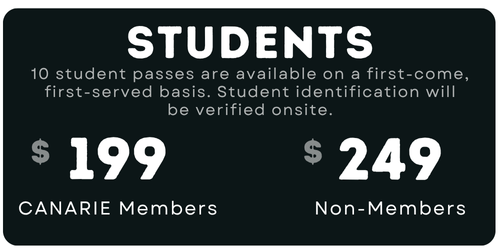
Travel Subsidies
All travel subsidies have been distributed.
A small number of travel subsidies of up to $1,500 each are available to offset travel expenses for attendees from remote or small institutions on a first-approved, first-served basis. To apply for a travel subsidy, please complete this short form. Travel subsidies are only available to attendees from Canadian universities, colleges, polytechnics, cégeps, or research institutions. There is a limit of one travel subsidy per institution.
Decisions on travel subsidies will be confirmed within 5 business days of the receipt of applications.
Accommodations
We have secured a limited room block at the SecuR&E Forum venue, the Sheraton Vancouver Wall Centre in downtown Vancouver, at the highly discounted rate of $299 + taxes, while supplies last.
About the Venue
The Sheraton Vancouver Wall Centre is centrally located in downtown Vancouver and a short distance from attractions such as Stanley Park, English Bay, the Seawall, Yaletown, and Robson Street. The hotel offers both city and ocean views and the comforts of home in a chic, urban setting. Guests are welcome to work out in the on-site fitness centre or take a dip in the heated pool.

Please note:
There are limited spots available in this block. Hotel rooms in Vancouver throughout October are at a premium, so please book your accommodations as soon as possible using the link below. The last day you can book reservations in the group room block is Friday, September 5, 2025, by 12 a.m. PT.
SecuR&E Forum Reservations:
You can also make reservations by calling the hotel directly at 1-604-331-1000 or toll free at 1-888-627-7058. Please quote the group name 2025 Canadian SecuR&E Forum when you call.
Speakers
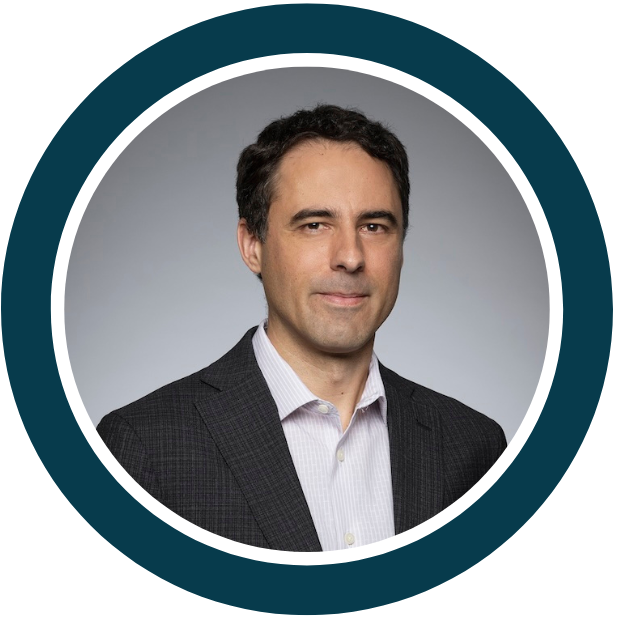
Mathieu Bertrand
CISO | uOttawa

Gerrit Bos
CISO | MRnet

Larry Carson
Acting CISO | University of British Columbia
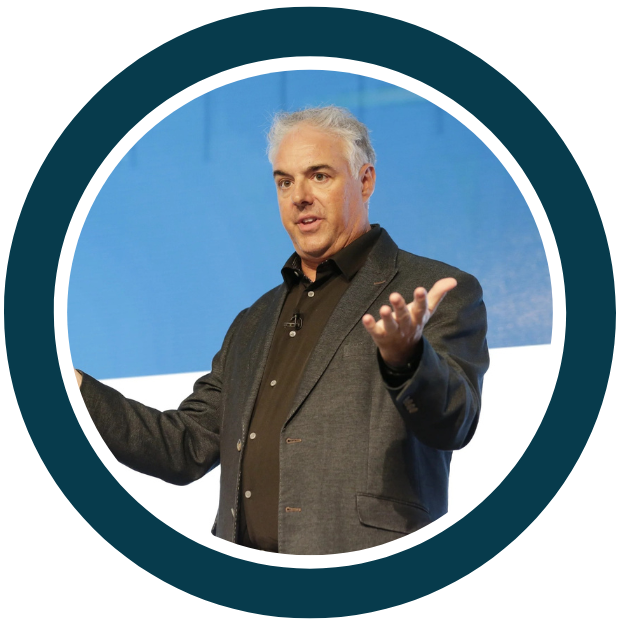
Sylvain Chenard
Quantum-Safe Networks Solution Leader | Nokia

Chad Coller
President & CEO | SRNET

Jon Coller
Chief Information Security Officer | University of Saskatchewan

John Cuzzola
Director of Information Security | Thompson Rivers University

Tracy Dallaire
Director, Information Security | McMaster University

Guillaume Dubé
Chief Information Security Officer | Université Laval
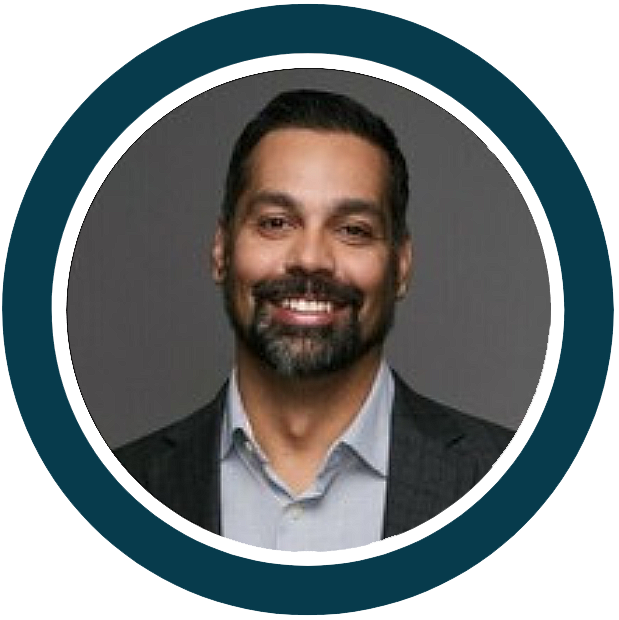
Jon Ferguson
VP Cyber and DNS | CIRA
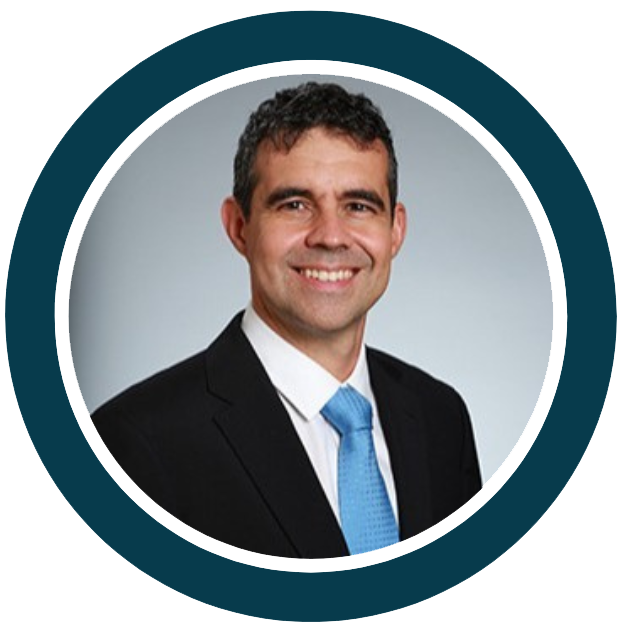
Deyves Fonseca
Acting CISO | University of Toronto

Gayleen Gray
Associate Vice President and Chief Technology Officer | McMaster University

Sunny Jassal
CISO | British Columbia Institute of Technology

Jean François Lemieux
Cybersecurity Manager | RISQ

Jennifer Lane
CIO | Nunavut Arctic College

Chris Lynam
Director General, National Cybercrime Coordination Centre and the Canadian Anti-Fraud Centre | RCMP
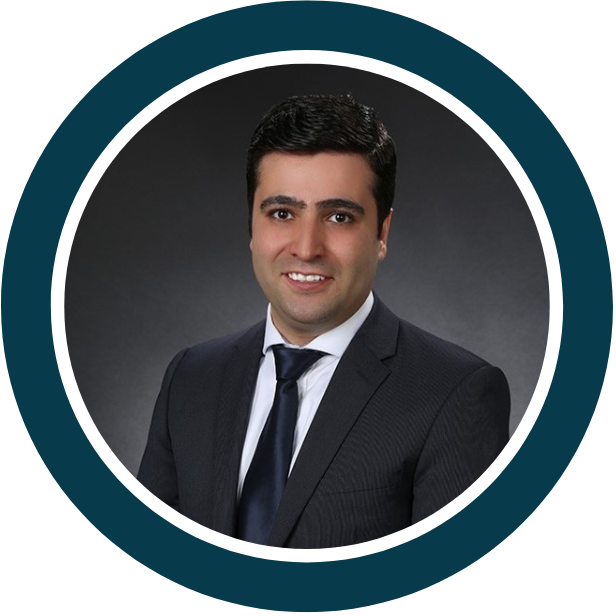
Pooria Madani
Professor | Ontario Tech University

Kyle McKay
Solutions Consultant | Palo Alto Networks

Gary Miller
Vice President, Cybersecurity Programs and Services | CANARIE

Trevor Poffenroth
CIO | University of Calgary

Benjamin Reid
Cybersecurity Manager | Digital Research Alliance of Canada

Sandeep Sidhu
CIO | Emily Carr University of Art + Design

Gregory Smith
CIO | University of Waterloo

Katie Tuck
CIO | University of the Fraser Valley

Eric van Wiltenberg
CISO | University of Victoria (on behalf of the RIG)
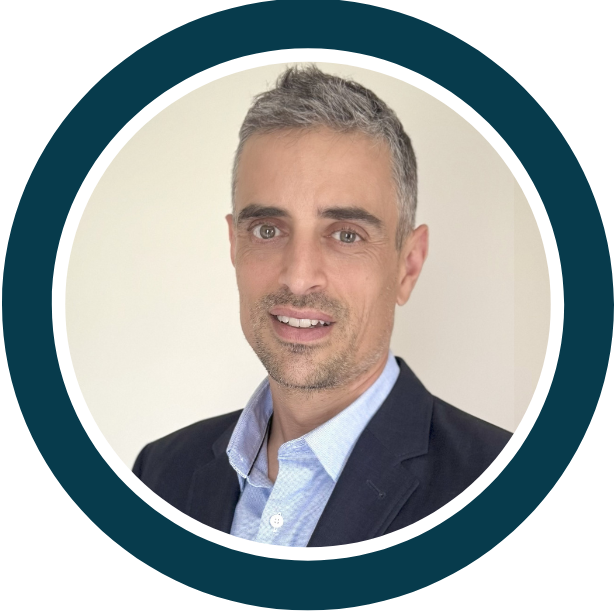
Christopher van den Berg
Director, Research Security | Western University
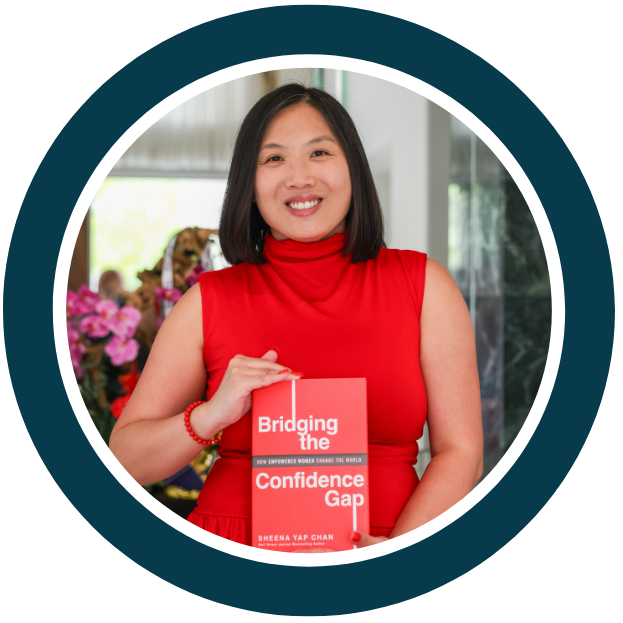
Sheena Yap Chan
Founder | The Tao of Self-Confidence
Mathieu Bertrand
CISO | uOttawa
Mathieu has been the Chief Information Security Officer at the University of Ottawa since 2022. He joined the university and the higher-education sector in 2019, motivated by a desire to make a meaningful contribution to Canadian society. With over 15 years of experience in IT, Mathieu previously held several leadership roles in software companies. Starting at uOttawa as a project manager, Mathieu transitioned to the information security team, where he leads the transformation of the university’s information security risk management program. Under his leadership, the university has strengthened its cybersecurity posture and built strong partnerships across faculties and services. Mathieu’s approach is grounded in integrity, professionalism, empathy, and leading by example. He is passionate about advancing cybersecurity in higher education and fostering a culture of resilience and collaboration.
Gerrit Bos
CISO | MRnet
Gerrit Bos has been the Chief Information Security Officer (CISO) for MRnet Inc. and the shared CISO for three Manitoba universities since 2020. Prior to this, Gerrit worked at the University of Guelph for over 30 years in progressive IT and Information Security roles. Gerrit enjoys hiking and outdoor activities, as well as quiz creation and other computer-based challenges. He and his family make their home in Calgary, Alberta, Canada
Larry Carson
Acting CISO | University of British Columbia
Larry Carson is the Acting Chief Information Security Officer (CISO) and Deputy CISO at the University of British Columbia and is the subject matter expert for cybersecurity at the university where he focuses on incident response, incident prevention and security policy for the institution. He is a strong believer that cybersecurity is meant to act as an enabler to help facilitate better business processes & competence through properly secured & protected data assets. He sees the future of cybersecurity being tightly intertwined with data science (analytics, SOAR & SIEM) and threat intelligence. Larry fosters a firm belief that industry standard cybersecurity best practices can be successful in Higher Ed.
Sylvain Chenard
Quantum-Safe Networks Solution Leader | Nokia
With nearly three decades of experience and innovation in the telecommunications industry, Sylvain Chenard is the Quantum-Safe Networks solutions leader for Nokia’s Network Infrastructure Business. His expertise spans secure optical communication systems, cryptography, software virtualization, analytics, and fiber-optics communication. Collaborating with Nokia Bell Labs, Sylvain defines and productizes cutting-edge techniques and algorithms focused on the emerging field of Quantum-Safe Networks to secure the digital infrastructure of the future. Prior to Nokia, Sylvain defined roadmaps and strategies for leading-edge technologies at Alcatel-Lucent, serving as Principal Product Line Manager for Secure Management Systems. He holds a BSc in Electrical Engineering from the University of Laval, Canada, and has invented five patents in system automation and virtualization. As a Nokia Distinguished Member of Technical Staff, IEEE senior member, and member of the Ordre des ingénieurs du Québec, Sylvain continues to shape the future of secure digital communication.
Chad Coller
President & CEO | SRNET
Jon Coller
Chief Information Security Officer | University of Saskatchewan
Jon is the Chief Information Security Officer for the University of Saskatchewan and also leads the SRNET Shared Security Operations Centre. Jon has worked in Higher Ed IT for over twenty years, with the past ten years focused on Cyber Security and Risk Management. He has a Bachelor’s Degree in Computer Science from the University of Saskatchewan and a Masters of Science in Information Security from Royal Holloway, University of London.
John Cuzzola
Director of Information Security | Thompson Rivers University
John Cuzzola is the Information Security Director at Thompson Rivers University (TRU), where he is responsible for the institution’s cyber-defence strategy. He holds degrees in Information Systems and Mathematics, and industry credentials Certified Ethical Hacker (Master) and CNDA. Prior to joining TRU in 2021, John served as Network Manager and later Technology Director for School District 73 for almost two decades. A committed life-long learner, John has co-authored 17 peer-reviewed papers as a research associate with Toronto Metropolitan University and is listed as lead inventor on two patents in data-intelligence technologies. As a sessional instructor at TRU, He has taught programming, Ethical Hacking, and Biometric Authentication; hoping to instill his passion for learning while helping develop the next generation of security professionals. His experience within secondary as a technology director, and within post-secondary as a researcher, instructor, and security director has given him a unique perspective on securing educational environments.
Tracy Dallaire
Director, Information Security | McMaster University
As the inaugural Director of Information Security Services at McMaster University, Tracy Dallaire is a leader in Cyber and Information Security and a digital strategist. In this newly created position, Dallaire is developing and leading an Information Technology (IT) Security roadmap for the institution as part of the McMaster IT Strategic Plan. Tracy also leads the Institution’s IT Security Team as a member of the AVP and CTO leadership team.
Guillaume Dubé
Chief Information Security Officer | Université Laval
Guillaume Dubé is an information security professional with a 17-year career at Université Laval. Guillaume has served as Université Laval’s Chief Information Security Officer (CISO) for the past four years, after having spent the previous 13 years in various roles dedicated to information security, ranging from operational security to security architecture.Guillaume also currently serves as Co-Chair of CUCCIO’s Information Security Special Interest Group (SIG) and is accredited by ISACA as Certified Information Systems Auditor (CISA) and in Risk and Information Systems Control (CRISC).
Jon Ferguson
VP Cyber and DNS | CIRA
Jon leads the Cybersecurity & DNS services unit at CIRA that builds upon the organization’s world class DNS services to provide cybersecurity services and training to Canadians and the global internet community.
Deyves Fonseca
Acting CISO | University of Toronto
Deyves is currently the acting CISO at the University of Toronto, Canada’s largest university. He has more than 15 years of global leadership experience in information security, privacy and technology services delivery in the financial and higher education industries, and has had multiple, progressive IT roles over the course of his career. Deyves has worked in Canada, Brazil, France and Mexico, and has an MBA from the Rotman School of Management. He has also earned the CISSP/CRISC designations.
Gayleen Gray
Associate Vice President and Chief Technology Officer | McMaster University
Sunny Jassal
CISO | British Columbia Institute of Technology
I’m an enthusiastic cybersecurity leader with 20+ years of experience driving secure digital transformation. I bridge the gap between business and technology, translating strategy into actionable plans that enable innovation while safeguarding critical assets. As a trusted advisor to executives and boards, I leverage my expertise in cybersecurity and corporate governance to foster a “security-by-design” culture. My background includes leading high-performing technical teams across diverse industries. Credentials: – MBA Candidate, Carleton University – B.Tech in Technology Management, BCIT – Certified Chief Information Security Officer (CCISO) – Certified Information Security Manager (CISM) – Certified Data Privacy Solutions Engineer (CDPSE) – Systems Security Certified Practitioner (SSCP)
Jean François Lemieux
Cybersecurity Manager | RISQ
Jennifer Lane
CIO | Nunavut Arctic College
Jennifer Lane is a nationally recognized IT Executive and Innovation Strategist with over 20 years of experience leading digital transformation across public and Indigenous sectors. As Executive Consultant and Acting CIO for Nunavut Arctic College, she has implemented territory-wide connectivity and cybersecurity strategies, including Canada’s first LEO-based research and education network. A keynote speaker at TNC 2024 and the CANARIC Summit, Jennifer is known for her practical, bold leadership in complex IT environments. She actively advises on AI for good, digital ethics, and remote community resilience.
Chris Lynam
Director General, National Cybercrime Coordination Centre and the Canadian Anti-Fraud Centre | RCMP
Chris Lynam is currently the Director General of the National Cybercrime Coordination Centre and the Canadian Anti-Fraud Centre within the RCMP. He led extensive work and consultations with other government departments, law enforcement partners across Canada and the private sector to conceptualize and design a national cybercrime coordination mechanism for Canada. He previously worked for Public Safety Canada and within the Security and Intelligence Secretariat of the Privy Council Office where he was part of the team that supported the National Security Advisor to the Prime Minister. Outside the RCMP, he is a member of the Army Reserve and served as the Lieutenant-Colonel Commanding of the Governor General’s Foot Guards, an Infantry Regiment based in Ottawa.
Pooria Madani
Professor | Ontario Tech University
Dr. Pooria M. is a professor of Networking & IT Security at Ontario Tech University and Director of its Institute for Cybersecurity and Resilient Systems. His research spans adversarial machine learning, AI-driven malware mutation, and security for satellite and critical-infrastructure systems, with recent work demonstrating how large-language models can generate evasive code variants. Beyond academia, he founded AlecTech Inc., a Canada-based SOC-as-a-Service provider that helps SMBs and public agencies manage cyber risk. Dr. M. has authored publications in ACM DTRAP, IEEE AeroConf, ESORICS, and IEEE Transactions on Information Forensics & Security, and regularly advises industry forums and government bodies on emerging AI-enabled threats.
Kyle McKay
Solutions Consultant | Palo Alto Networks
Gary Miller
Vice President, Cybersecurity Programs and Services | CANARIE
For more than 25 years Gary has been assisting government and industry organizations around the world shape appropriate and practical cybersecurity strategies and programs to support their changing business, while continually learning from a diversity of passionate professionals and incredible teams.
Gary draws on a breadth of leadership experiences and learnings in scaling businesses to market leading positions; driving growth and innovation within multi-national corporations, midsize, and early-stage businesses; bringing to market new technologies and businesses; leading global acquisition and integration initiatives; and helping organizations across all sectors create and preserve value.
A unique balance of strategy, business and cybersecurity domain expertise combined with his extensive situational experience enables Gary to collaborate with senior leaders to plot the most effective way forward in today’s complex environment.
Gary speaks often on cybersecurity risk, trends and approaches, participates in industry shaping initiatives, and advises on transformative opportunities and strategies.
Trevor Poffenroth
CIO | University of Calgary
Trevor Poffenroth has been at the University of Calgary since 2017, currently as Chief Information Officer (CIO), and previously as Chief Technology Officer (CTO), and Director. With over 25 years of experience in IT leadership, he has a proven track record of driving innovation and delivering results.
As the CIO, Trevor is accountable for the university’s information technology strategy, operations, and reporting including cybersecurity, applications, infrastructure, client, and research computing services.
Trevor is an outgoing people-first leader, who builds strong teams through open conversation, transparency, and genuine trust. He works closely with university leaders, faculty, and staff to identify and implement technology solutions that support the university’s mission of teaching, research, and community engagement.
Benjamin Reid
Cybersecurity Manager | Digital Research Alliance of Canada
Benjamin Reid serves as the Cybersecurity Manager for the Digital Research Alliance of Canada. In this role, he collaborates with other Security Leaders within the Alliance Federation community to lead the delivery and execution of cybersecurity initiatives, aiming to enhance the security posture of the Alliance Federation. Before his current position, Benjamin was a part of the Advanced Research Computing Team at Simon Fraser University, where he was instrumental in planning and implementing the cybersecurity program known as the Medium-Term Action Plan. His efforts also extend into the development and execution of the Multiyear Funding Proposal: Initiative Nine the Cybersecurity Long-Term Action Plan.
With over 18 years of experience in Information Technology, Benjamin has held various roles across cybersecurity, systems, networking, project management, and programming within private, public, and non-profit sectors. He holds a Master of Business Administration specializing in the Management of Technology, a Bachelor of Computer Information Systems, and is certified as both a Certified Information Systems Security Professional (CISSP) and a Project Management Professional (PMP).
Sandeep Sidhu
CIO | Emily Carr University of Art + Design
Sandeep Sidhu is driven by a mission to leave the world better than she found it. Her transformative work in Higher Education is revolutionizing organizational capabilities by seamlessly integrating people and technology and harnessing the power of digitalization.
As the Chief Information Officer at Emily Carr University of Art + Design, Sandeep is a transformative and collaborative leader with nearly 25 years of experience in the technology sector. She is a strategic communicator and a vital connector between the University community and technology teams. Her leadership has shaped the digital transformation strategy across local and global communities, and her previous roles include leading the Client Services portfolio at Simon Fraser University and Capilano University, along with a decade of private sector consulting experience.
Sandeep is Chair of CIO Council for BC Higher Education, an active volunteer in the BCNET, CUCCIO, and Administrative Services Collaborative. She currently serves on the Educause Board demonstrating her commitment to advancing Education across North America. She holds double master’s degrees in information technology and Applied Research and has been a professor at Simon Fraser University in Vancouver, British Columbia, Canada. Her passion for academia and dedication to innovation make her a pivotal figure in the Higher Education landscape.
Gregory Smith
CIO | University of Waterloo
Gregory Smith was appointed the University of Waterloo’s CIO on June 1, 2023. Greg provides enterprise-wide leadership to a highly distributed IT community across campus, working closely with the University’s senior leadership to foster alignment of IT expenditure and effort to support the university’s core missions. Greg has nine years of experience as a volunteer governor for a local Community Health Centre, including four years as Chair (2018-2022), during which time he worked to guide the organizational response to the COVID-19 pandemic. Greg has worked in Higher Education for his whole career, beginning in Student Housing, Living-Learning Programs, and IT. A graduate of the Richard Ivey School of Business (HBA and MBA), Greg’s leadership style is focused on building teams, empowering up-and-coming talent, and collaborative engagement. Outside of work, Greg tries to be the best dad possible to his four young kids, most often found at the hockey rink.
Katie Tuck
CIO | University of the Fraser Valley
Eric van Wiltenberg
CISO | University of Victoria (on behalf of the RIG)
Christopher van den Berg
Director, Research Security | Western University
Chris van den Berg is a seasoned public sector leader and military commander with nearly 20 years of experience driving innovation, transformation, and strategic impact across defence, industry and education. He currently serves as Director of Research Security at Western University, where he established the university’s inaugural research security program. His previous roles include Deputy Director of HR Business Management for the Canadian Armed Forces, overseeing enterprise change management, and Commanding Officer of multiple military units, including Task Force Kabul. A recognized expert in risk management, organizational resilience, and stakeholder engagement, he has led multimillion-dollar defence programs, advised senior leadership, and managed international academic initiatives. He holds a Master of Science in Public Administration from Leiden University in the Netherlands.
Sheena Yap Chan
Founder | The Tao of Self-Confidence
Sheena Yap Chan is a Wall Street Journal and Publishers Weekly bestselling author, keynote speaker, strategist, and award-winning podcaster recognized for her work in elevating women’s leadership and self-confidence through the power of media and visibility. She is the founder of the Confidence Through Visibility movement and host of The Tao of Self-Confidence podcast, ranked in the top 0.5% globally with over 1.3 million downloads and 800+ interviews featuring celebrities, CEOs, and cultural icons. Her debut book, The Tao of Self-Confidence, was named one of the top 20 best self-confidence books of all time by Book Authority, while her latest release, Bridging the Confidence Gap, is a bold call to reimagine leadership by making visibility and self-trust core competencies. Through her signature VISIBLE Framework, Sheena delivers transformational keynotes & corporate programs that help organizations bridge the confidence gap, retain diverse talent, and build cultures where women are seen, heard, and respected.
Program
Day 1 – October 8, 2025
| Time | Session Details | |
|---|---|---|
| 8:00 a.m. – 9:30 a.m. | Registration & Breakfast | |
| 9:30 a.m. – 10:00 a.m. |
Territorial Welcome
Chief Gilbert “Gibby” Jacob Welcome by MC Opening Remarks Ela Yazdani | Vice President, External Relations | CANARIE |
|
| 10:00 a.m. – 11:00 a.m. |
Keynote Plenary A Whole of Society Approach to Addressing Cybercrime Chris Lynam | Director General, Cybersecurity | RCMP |
|
| 11:00 a.m.- 11:30 a.m. | Break | |
| 11:30 a.m. – 12:30 p.m. |
Executive Track Whose Problem is it Anyway? Cyber Governance in the Academic Context Trevor Poffenroth | CIO | University of Calgary Tracy Dallaire | Director, Information Security | McMaster University Jon Coller | CISO | University of Saskatchewan Moderator: Guillaume Dubé | CISO | Université Laval |
Technical Track SOC Readiness in Practice: Frameworks, Playbooks, and Controls That Work Doug Couch | Senior Director, CanSSOC Services | CANARIE Alex Doradea-Cabrera | Cybersecurity Service Analyst | CANARIE |
| 12:30 p.m. – 2:00 p.m. | Lunch | |
| 2:00 p.m. – 3:15 p.m. |
Executive Track A Community Fireside Chat with CANARIE’s New President Mike Tremblay | President and CEO | CANARIE Moderator: Gayleen Gray | CTO & Assistant VP | McMaster University |
Technical Track Lean but Powerful: Practical Strategies for Optimizing Your Current Stack Jared Hougen | Chief Information Officer | Yukon University Jean-Francois Lemieux | Cybersecurity Manager | RISQ Gerrit Bos | CISO | MRnet |
| 3:15 p.m. – 3:45 p.m. | Break | |
| 3:45 p.m. – 4:45 p.m. |
Collaborative Approaches to Research Cybersecurity in Universities: A CISO Perspective
Larry Carson | CISO | University of British Columbia Mathieu Bertrand | CISO | University of Ottawa Deyves Fonseca | Acting CISO | University of Toronto |
|
| 4:45 p.m. – 5:30 p.m. | Geopolitical & Risk Landscape and What It Means for Us Joshua Kilberg | Director, Threat Assessments, Reporting, and Planning | Canadian Centre for Cyber Security | |
| 5:30 p.m. – 7:00 p.m. | Welcome Reception Constellation Room | South Tower, 34th Floor |
|
Day 2 – October 9, 2025
| Time | Session Details | |
|---|---|---|
| 7:00 a.m. – 8:30 a.m. | RanSomewhere 5K Run & Walk | |
| 8:30 a.m. – 9:30 a.m. | Breakfast | |
| 9:30 a.m. – 9:40 a.m. | Welcome Remarks | |
| 9:40 a.m. – 10:30 a.m. |
Plenary Session
Collaborating for Cyber Resilience: Program Updates and a Forward Look from the Digital Research Alliance of Canada, CANARIE, and the Research-Intensive Group of Institutions (RIG)
Benjamin Reid | Cybersecurity Manager | Digital Research Alliance of Canada
Eric van Wiltenburg | CISO | University of Victoria (on behalf of the RIG) Gary Miller | VP, Cybersecurity Programs & Services | CANARIE |
|
| 10:30 a.m. – 11:00 a.m. |
Platinum Sponsor Session: CIRA
Building a Security Culture in 2025: Elevating Awareness into Attitude, Behaviour, and Resilience Jon Ferguson | Vice President, Cyber and DNS | CIRA |
|
| 11:00 a.m. – 11:30 a.m. | Break | |
| 11:30 a.m. – 12:30 p.m. |
Executive Track Community-Contributed Talks
Securing Trust: Visibility Through Confidence in Cyber Teams
Sheena Yap Chan | Founder | The Tao of Self-Confidence
Securing IT/OT Convergence
Sunny Jassal | CISO | British Columbia Institute of Technology
Breaking Through the Silos: Integrating Cybersecurity and Research Security in Academia
Christopher van den Berg | Director, Research Security | Western University
|
Technical Track Community-Contributed Talks
When Malware Starts Prompting: AI-Driven Code Mutation and the Next Battle for Defenders
Pooria Madani | Professor | Ontario Tech University
Beyond the Stack: Visualizing Security as a Puzzle, Not a Product List
John Cuzzola | Director of Information Security | Thompson Rivers University
Holistic Network Security: A Layered Approach to Protecting Modern Networks
Sylvain Chenard | Quantum-Safe Networks Solution Leader | Nokia
|
| 12:30 p.m. – 2:00 p.m. | Lunch | |
| 2:00 p.m. – 2:45 p.m. |
Executive Track
Collective Cybersecurity Project Team Session
Katie Tuck | CIO | University of the Fraser Valley
Chad Coller | President & CEO | SRNET Julie Menzies | Director, Cybersecurity Services and Engagement | CANARIE |
Technical Track
Cybersecurity at the Intersection of IT, IoT, and OT
Kyle McKay | Solutions Consultant | Palo Alto Networks
Sunny Jassal | CISO | British Columbia Institute of Technology |
| 2:45 p.m. – 3:45 p.m. |
Closing Plenary
Beyond the Boom: Sparking Cybersecurity Investment and Executive Action
Mathieu Bertrand | CISO | University of Ottawa
Gregory Smith | CIO | University of Waterloo Jennifer Lane | CIO | Nunavut Arctic College Moderator: Sandeep Sidhu | CIO | Emily Carr University of Art + Design |
|
| 3:45 p.m. – 4:15 p.m. | Closing Remarks Gary Miller | Vice President, Cybersecurity Programs and Services | CANARIE |
|
Collaborative Approaches to Research Cybersecurity in Universities: A CISO Perspective
Speakers:Larry Carson | CISO | University of British Columbia
Mathieu Bertrand | CISO | uOttawa
Deyves Fonseca | Acting CISO | University of Toronto
The decentralized and autonomous nature of higher education research, while fostering innovation and collaboration, also makes universities vulnerable to cyber threats. This distributed approach creates a patchwork of systems that are difficult to secure and govern, especially with complex compliance requirements. To address these challenges, universities must understand their digital assets, promote collaboration among IT, researchers, and administration, and align policies with the institution’s mission. Join us for an engaging and interactive session on the challenges of research cybersecurity. This session will focus on three CISOs perspective to address research cybersecurity risks, offering practical insights and lessons learned.
Learning objectives:
1. Understanding the risks: Identify the major cybersecurity threats faced by universities, especially those handling sensitive research data.
2. Leadership in cybersecurity: Explore the challenges cybersecurity leaders face in decentralized environments, and explore strategies for fostering collaboration between IT, researchers, and administration to build a proactive cybersecurity culture.
Bridging the Gaps: Collaborative Approaches to Research Cybersecurity at the University of Ottawa
Speakers: Mathieu Bertrand | CISO | uOttawa
Deyves Fonseca | Acting CISO | University of Toronto
The decentralized and autonomous nature of higher education research, while fostering innovation and collaboration, also makes universities vulnerable to cyber threats. This distributed approach creates a patchwork of systems that are difficult to secure and govern, especially with complex compliance requirements. To address these challenges, universities must understand their digital assets, promote collaboration among IT, researchers, and administration, and align policies with the institution’s mission. Join us for an engaging and interactive session exploring the critical role of IT in supporting Research Data Management and enhancing research cybersecurity. This session will focus on the University of Ottawa’s initiative to address research cybersecurity risks, offering practical insights and lessons learned.
Learning Objectives
1. Understanding the Risks: Identify the major cybersecurity threats faced by universities, especially those handling sensitive research data.
2. Comprehensive IT Asset Inventory: Examine the University of Ottawa’s approach and challenges in conducting a thorough inventory of research equipment and digital assets.
3. Leadership in Cybersecurity: Explore the challenges cybersecurity leaders face in decentralized environments, and discover strategies for fostering collaboration between IT, researchers, and administration to build a proactive cybersecurity culture.
Beyond the Stack: Visualizing Security as a Puzzle, Not a Product List
Speaker: John Cuzzola | Director of Information Security | Thompson Rivers University
BuilD5zle. Do we have the right pieces? Do they fit together? Are any critical pieces missing? Just like a puzzle, the full picture only becomes clear when all components are in place. In this presentation, we explore how Thompson Rivers University (TRU) has approached this challenge. We’ll examine the specific security tools and systems we’ve invested in—what roles they play, how they complement one another, and why each one was chosen. We’ll illustrate how these components help us see the bigger picture of our security posture, identify gaps, and prepare for what’s next. This session will provide insights for others looking to refine their own security architectures: which “puzzle pieces” are essential, how to ensure they align, and what elements are missing before these blind spots become vulnerabilities.
When Malware Starts Prompting: AI-Driven Code Mutation and the Next Battle for Defenders
Speaker: Pooria Madani | Professor | Ontario Tech University
Emerging large-language models can now auto-generate subtle, semantically intact code mutations that slip past today’s static analyzers and signature-based tools. This talk explores how threat actors may weaponize LLMs to accelerate malware evolution—producing polymorphic/metamorphic variants on demand, tailoring payloads to niche targets, and continuously testing against cloud-based security suites. We’ll map this coming shift from handcrafted exploits to AI-assisted “malware DevOps,” highlight early academic findings, and outline practical defence strategies—from mutation-aware testing and behavioural analytics to secure-by-design coding pipelines. Attendees will leave with a clear picture of the risks, the timeline, and the collaborative innovations required to stay ahead of self-mutating threats.
The Security Champions Survival Guide: Beating Apathy, Boredom, and Burnout
Speaker: Magno Logan | Staff Security Engineer | Jane
Security Champions programs promise to embed security into engineering teams but often fail due to a lack of developer time, inadequate leadership support, and uninspiring, generic training (such as the OWASP Top 10). This talk examines how to revamp these programs for the AI era, where tools support code reviews, vulnerability detection, and code generation. We’ll uncover why old models break and provide concrete strategies to engage developers, secure leadership buy-in, and utilize AI to elevate Champions beyond checklists into high-impact roles that shape secure design and informed decision-making.
Holistic Network Security: A Layered Approach to Protecting Modern Networks
Speaker: Sylvain Chenard | Quantum-Safe Networks Solution Leader | Nokia
In the era of escalating cyber threats, a siloed approach to network security is no longer sufficient. Instead, a new security model is needed, one that holistically examines all layers of the network, from the silicon foundations to the application layer. In this presentation, we will outline a comprehensive, multi-layered defense strategy that ensures robust security and resilience against a wide range of attacks from “harvest now, decrypt later” (HNDL) quantum threats to sophisticated AI-driven DDoS attacks. We will discuss unique security challenges and opportunities presented by each layer. The discussion will begin with the foundational physical and network silicon layers, emphasizing the importance of hardware-level security features, such as embedded encryption and filtering capabilities. We will then move up the stack to the network operating system (NOS) layer, highlighting the need for robust platform integrity and secure boot processes to prevent system-level compromises. Then, we will examine the critical role of quantum-safe networks and secure network edges. Finally, we will explore how network analytics and threat intelligence can leverage big data and AI/ML technologies to provide real-time visibility into traffic flows and facilitate automated DDoS mitigation, thereby protecting the network all the way up to the application layer. This session aims to provide attendees with a comprehensive understanding of the importance of holistic network security and the key considerations for implementing a layered security approach, enabling them to transform their networks into mission-critical, quantum-ready, and self-defending infrastructures.
Securing IT/OT Convergence
Speaker: Sunny Jassal | CISO | British Columbia Institute of Technology
Our institutions operate much like mini-municipalities — well-versed in IT (Information Technology) but often lacking visibility into OT (Operational Technology). Cybersecurity is no longer an IT-only challenge; CISOs are increasingly tasked with securing the entire digital landscape, from corporate networks to industrial control systems — essentially, all things connected to the internet. As IT and OT environments become more interconnected, they significantly expand the attack surface for cyber threats targeting critical infrastructure. Traditional perimeter-based security models can no longer provide the necessary protection against sophisticated, targeted attacks. This session will explore the unique risks associated with IT/OT convergence, introduce a Zero Trust security approach tailored for industrial environments, and provide actionable strategies to safeguard converged networks without compromising operational efficiency.
Securing Trust: Visibility Through Confidence in Cyber Teams
Speaker: Sheena Yap Chan | Founder | The Tao of Self-Confidence
In research and education (R&E) cybersecurity, technical skills are critical—but they only go so far. Real resilience emerges when individuals feel confident to speak up, escalate risk, and collaborate transparently across teams. Drawing on her Visibility Through Confidence framework, Sheena Yap Chan explores how cultivating clarity, psychological safety, and leadership presence elevates cybersecurity culture. In this 15-minute community session, Sheena will highlight:
- Why risk reporting and escalation stall—not because of process gaps but discomfort in speaking up
- How confidence becomes a force multiplier in multidisciplinary security environments
- Practices individuals and leaders can adopt to build presence, foster trust, and elevate security posture
Learning Objectives
1. Understand how confident communication: Improves security decision-making and risk visibility
2. Learn frameworks: That help individuals raise concerns with clarity and authority
3. Discover practices: For building psychological safety and influence across IT, compliance, and leadership teams
Breaking Through the Silos: Integrating Cybersecurity and Research Security in Academia
Speaker: Christopher van den Berg | Director, Research Security | Western University
In an era of growing geopolitical instability, academic institutions have a critical opportunity to strengthen their resilience by fostering deeper collaboration between cybersecurity and research security. While cybersecurity is a mature field focused on protecting systems, networks, and data, research security is an emerging discipline aimed at safeguarding research from foreign interference and the unauthorized transfer of knowledge. What distinguishes research security is its actor-centric lens, prioritizing the identification of risks posed by individuals and organizations. Cybersecurity, on the other hand, traditionally centers on infrastructure and digital assets.
Bridging these complementary approaches can yield a more comprehensive security posture. Cybersecurity teams provide technical expertise, robust protocols, and effective incident response capabilities. Research security professionals bring expertise in compliance, geopolitical risk, and the human dimensions of academic and data integrity. Together, these functions can address a fuller spectrum of threats facing research environments today.
Breaking down silos between these functions starts with building a strong mutual understanding of each field’s capabilities and limitations. Joint operational meetings and structured information-sharing initiatives are a strong first step. These efforts foster trust, improve coordination, and lay the groundwork for integrated security strategies that are proactive, adaptive, and resilient in the face of emerging threats.
By aligning cybersecurity and research security, institutions can enhance the integrity, competitiveness, and global credibility of their research. By doing so, they will be better positioned to adapt and thrive in the face of complex, evolving security challenges.
Building a Security Culture in 2025: Elevating Awareness into Attitude, Behavior, and Resilience
Speaker: Jon Ferguson, VP Cyber and DNS, CIRA
Bridging these complementary approaches can yield a more comprehensive security posture. Cybersecurity teams provide technical expertise, robust protocols, and effective incident response capabilities. Research security professionals bring expertise in compliance, geopolitical risk, and the human dimensions of academic and data integrity. Together, these functions can address a fuller spectrum of threats facing research environments today.
A Whole of Society Approach to Addressing Cybercrime
Speaker: Chris Lynam, Director General, National Cybercrime Coordination Centre and the Canadian Anti-Fraud Centre | RCMP
Cybercrime continues to impact Canadians on an unprecedented scale. Innovative actions and a Whole of Society approach are the only ways Canada is going to effectively respond to cybercrime. Chris Lynam, who leads both the National Cybercrime Centre (NC3) and Canadian Anti-Fraud Centre (CAFC), will outline how these organizations have evolved their approaches in the last few years and he will showcase some of its recent collaborative successes to reduce the impact of cybercrime on Canadians.
Beyond the Boom: Sparking Cybersecurity Investment and Executive Action
Speakers: Mathieu Bertrand | CISO | uOttawa
Gregory Smith | CIO | University of Waterloo
Jennifer Lane | CIO | Nunavut Arctic College
Moderator: Sandeep Sidhu | CIO | Emily Carr University of Art + Design
In cybersecurity, “the Boom” is the moment of impact—the incident or breach that changes everything. Too often, that’s when budgets grow and executives truly pay attention. But do we have to wait for the Boom to act? This panel brings together leaders who’ve weathered cyber crises and those who’ve built strong defenses without one. In this interactive session, they’ll share their stories and unpack what really moves the needle in cybersecurity readiness, how to secure investment before disaster strikes, and their lessons before, during, and after a Boom.
Whose Problem is it Anyway? Cyber Governance in the Academic Context
Speakers: Trevor Poffenroth | CIO | University of Calgary
Tracy Dallaire | Director, Information Security | McMaster University
Jon Coller | CISO | University of Saskatchewan
Moderator: Guillaume Dubé | CISO | Université Laval
In the academic world, cybersecurity governance is shaped by unique tensions: distributed accountability in a federated IT model, the balance between academic freedom and institutional risk, and the blurred lines of leadership between CIOs and CISOs. Adding to this complexity, research collaborations and cloud adoption raise pressing questions of data sovereignty—who truly “owns” and protects information when jurisdictional boundaries are crossed? This panel will explore how universities can navigate these overlapping challenges, focusing on practical governance models that respect academic values, define clear responsibility across decentralized units, and foster effective CIO-CISO collaboration. By situating cyber governance at the intersection of autonomy, accountability, and global data flows, the discussion will highlight strategies to strengthen resilience without undermining the openness and mission of the modern academic institution.
Whose Problem is it Anyway? Cyber Governance in the Academic Context: A CIO/CISO Cross Pollination Panel
Speakers: Trevor Poffenroth | CIO | University of Calgary
Tracy Dallaire | Director, Information Security | McMaster University
Jon Coller | CISO | University of Saskatchewan
Moderator: Guillaume Dubé | CISO | Université Laval
In the academic world, cybersecurity governance is shaped by unique tensions: distributed accountability in a federated IT model, the balance between academic freedom and institutional risk, and the blurred lines of leadership between CIOs and CISOs. Adding to this complexity, research collaborations and cloud adoption raise pressing questions of data sovereignty—who truly “owns” and protects information when jurisdictional boundaries are crossed? This panel will explore how universities can navigate these overlapping challenges, focusing on practical governance models that respect academic values, define clear responsibility across decentralized units, and foster effective CIO-CISO collaboration. By situating cyber governance at the intersection of autonomy, accountability, and global data flows, the discussion will highlight strategies to strengthen resilience without undermining the openness and mission of the modern academic institution.
Collective Cybersecurity Project Team Session
Speaker: Katie Tuck | CIO | University of the Fraser Valley
Moderator: Julie Menzies | Director, Cybersecurity Services and Engagement | CANARIE
The Collective Cybersecurity Project Team, formed following the March sector workshop in Toronto, is exploring how Canada’s R&E community can better align and coordinate cybersecurity services. In this session, the team will share progress to date, including a draft framework for deciding which services belong at the institutional, regional, or national level, and outline next steps in the work. Participants will then engage in an interactive exercise to test the model, challenge assumptions, and provide input that will help shape a sustainable, community-driven approach to strengthening cybersecurity across the sector.
Cybersecurity at the Intersection of IT, IoT, and OT
Speakers: Kyle McKay | Solutions Consultant | Palo Alto Networks
Sunny Jassal | CISO | British Columbia Institute of Technology
Canadian campuses are increasingly connected—from smart lighting and HVAC systems to research instruments and cloud-based learning platforms. As digital transformation accelerates across research and education institutions, the convergence of Information Technology (IT), Internet of Things (IoT), and Operational Technology (OT) introduces new cybersecurity challenges. This session examines the cybersecurity implications of managing IT, IoT, and OT systems in tandem, and offers actionable guidance for building resilient, cross-domain security postures.
Lean but Powerful: Practical Strategies for Optimizing Your Current Stack
Speakers:CIRA XDR: Jared Hougen | Chief Information Officer | Yukon University
Sentinel: Jean-Francois Lemieux | Cybersecurity Manager | RISQ
Elastic: Gerrit Bos | CISO | MRnet
Cybersecurity teams in the research and education sector often face resource limitations—but that doesn’t mean settling for less. Instead, it means extracting maximum value from existing technology investments. This session dives into practical, cost-effective methods for optimizing your current stack. With a focus on real-world applications and Canadian institutional contexts, this session empowers attendees to do more with what they already have.
SOC Readiness in Practice: Frameworks, Playbooks, and Controls That Work
Speakers:Doug Couch | Senior Director, CanSSOC Services | CANARIE
Alex Doradea-Cabrera | Cybersecurity Service Analyst | CANARIE
Cybersecurity maturity is not a destination — it’s a journey. For many institutions, the path begins with increased visibility and understanding of critical business services. Others may have detection tools in place, but struggle to prioritize or translate alerts into meaningful action. This session explores the journey of SOC readiness in Higher Education, from reactive monitoring to proactive, intelligence-driven defense. Through a blend of strategic roadmaps, tactical considerations, and operational examples, we’ll uncover how institutions can align cybersecurity goals with academic missions while building resilience every step of the way. Whether you’re just starting the journey or refining a mature SOC, join like minded colleagues with the unified goal to increase our sector’s cyber capabilities and maturity.
Sponsorship
The Canadian SecuR&E Forum is a bi-annual showcase for trailblazing visionaries who discuss their transformative work with an intimate gathering of cybersecurity leaders and practitioners from Canada’s research and post-secondary education communities.
Canadian SecuR&E Forum sponsors can strengthen their exposure to and collaboration with attendees through extended networking sessions and opportunities that include brand promotion, exhibition, and the introduction of speakers.
2025 SecuR&E Forum Sponsors
SecuR&E Platinum Partners


SecuR&E Gold Partners


SecuR&E Silver Partners


Social Events
Welcome Reception
At the end of Day 1, join SecuR&E Forum attendees for hors d’oeuvres in the Wall Centre’s Constellation Suite, with 360-degree views of the Vancouver skyline from the 34th floor.

Pack your running shoes for the RanSomewhere 5K Run/Walk!
7:00 a.m. on October 9 (Day 2)
Meet up: Sheraton Vancouver Wall Centre lobby
Full route details to be shared later.
P.S.: Our early morning runners/walkers will receive some fun swag for their participation!
From our past attendees…
“Thank you to everyone involved and I am already counting down the days until next year!”
“The forum exceeded my expectations and was well worth the trip to Vancouver. I appreciate all of the behind-the-scenes work that needs to be done in order to have a smooth-running event. Well done!”
“Thank you to everyone involved and I am already counting down the days until next year!”
“Another well-organized, well-run CANARIE event.”